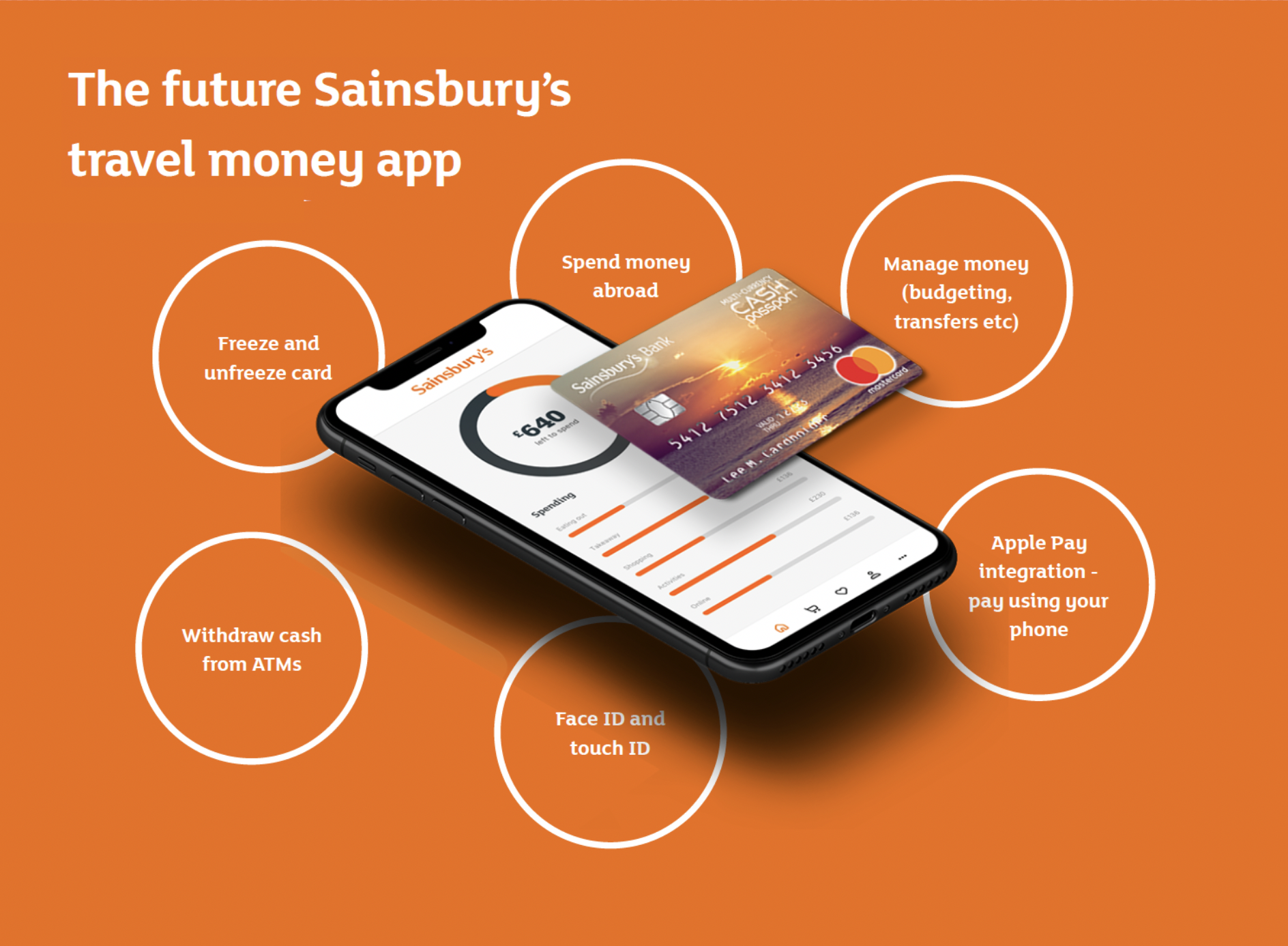
Helping customers save, spend and borrow using a pre-paid travel card
COMPANY
Sainsbury’s Bank
Contract
5 Weeks (Design Sprint)
POSITION
Senior UX Designer
Overview
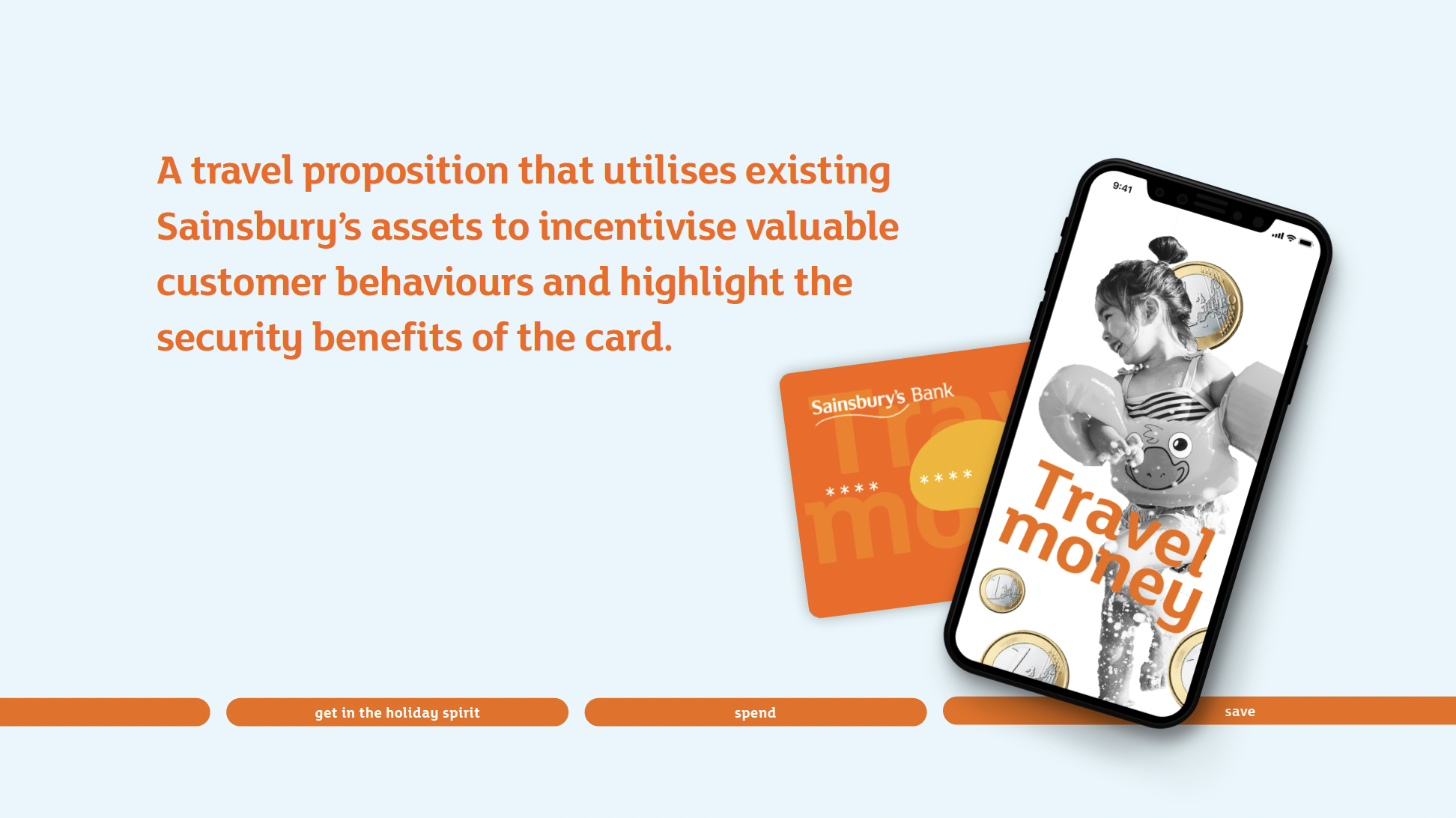
As society moves towards a cashless society, Sainsbury’s Bank travel money team wanted to explore innovative ways to encourage customers to save, spend and borrow money before during and after their holiday.
The challenge
During this project I worked with another UX Designer and Full Stack Developer. We were brought in as part of Sainsbury’s Bank Innovation Lab. Over the course of five weeks, we were tasked with running design sprints with our team while incorporating key people from the Sainsbury’s Bank Travel Money team who could help us create a new travel card product and proposition which did the following.
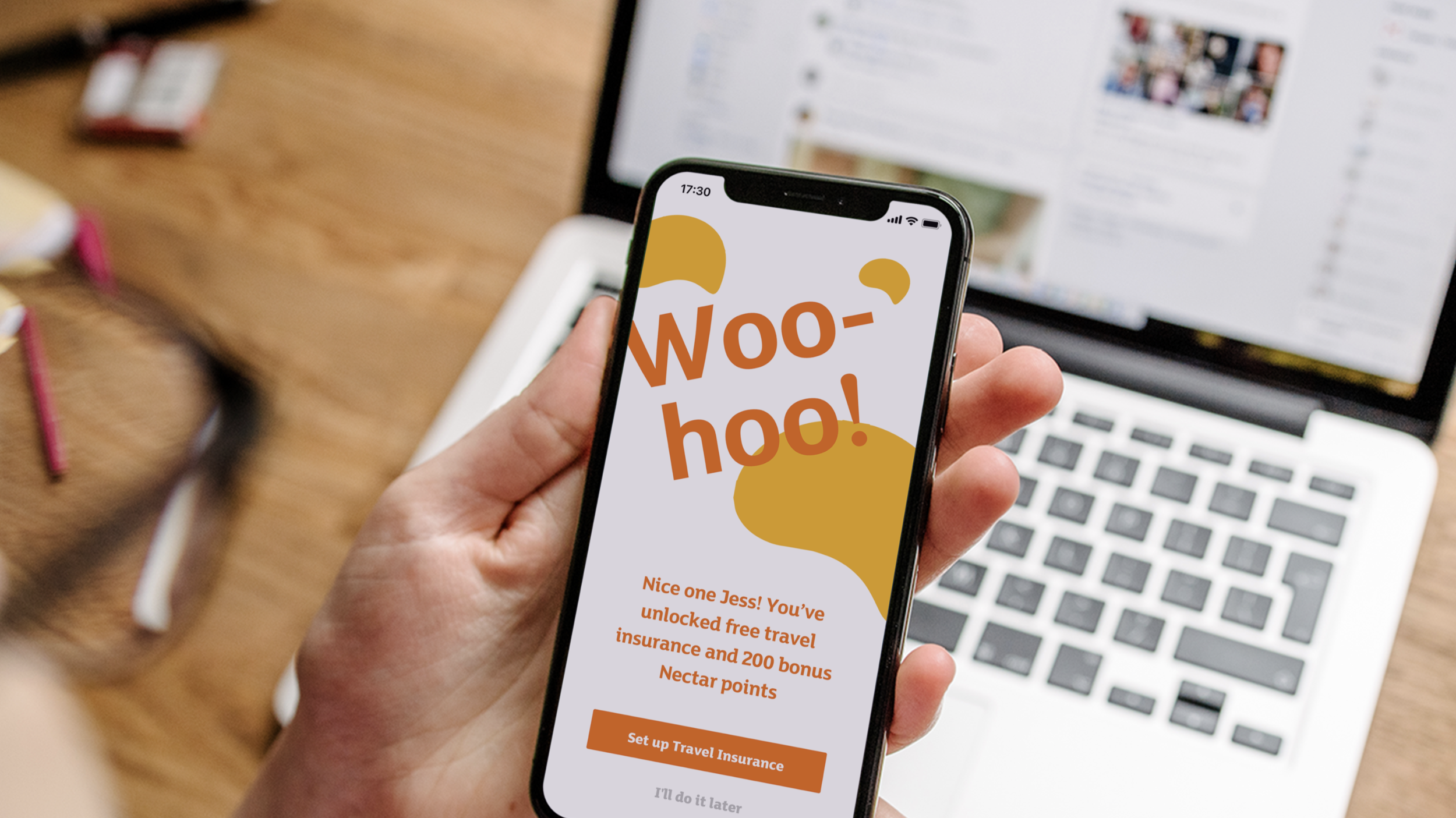
Solves a real problem or provides delight to our customers while saving, spending or borrowing on holiday
Allows customers to purchase foreign currency which is not based on cash
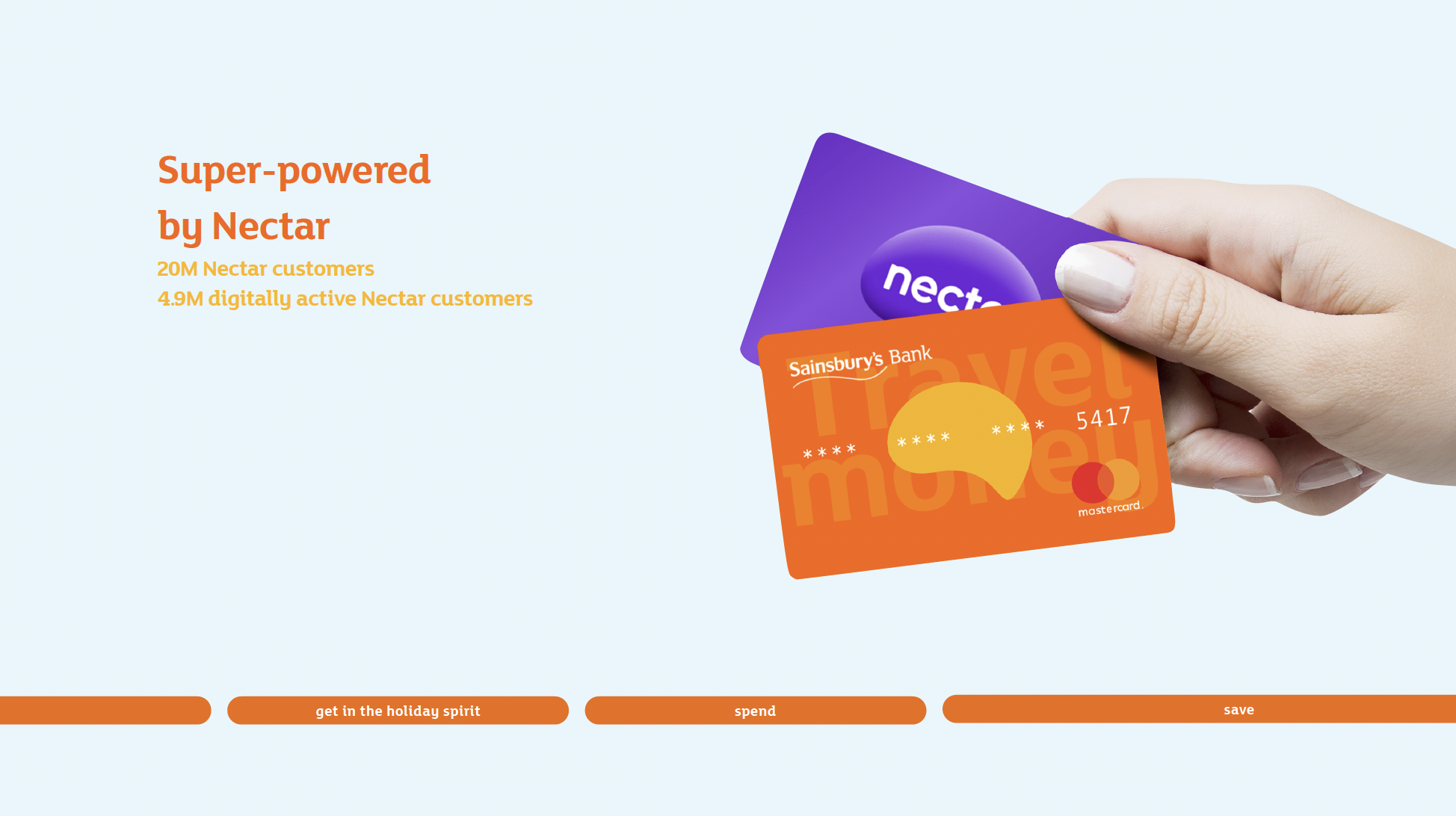
Combines an element of retail (store spend), loyalty (nectar points/special offers), the seamlessness of experience between the UK and aboard and currency exchange
Provides a proposition that is compelling and eye-catching to spread through word of mouth (e.g. Apple’s ‘No Fees’ Card). Have a high virality – i.e. a low cost of acquisition
Include social/sharing elements, wearable tech or machine learning capabilities
Leverage Mastercard’s pre-paid card APIs
Design Sprints
We had five weeks in which to deliver a proposition that was commercially viable, technically feasible and would delight customers.
Week 1
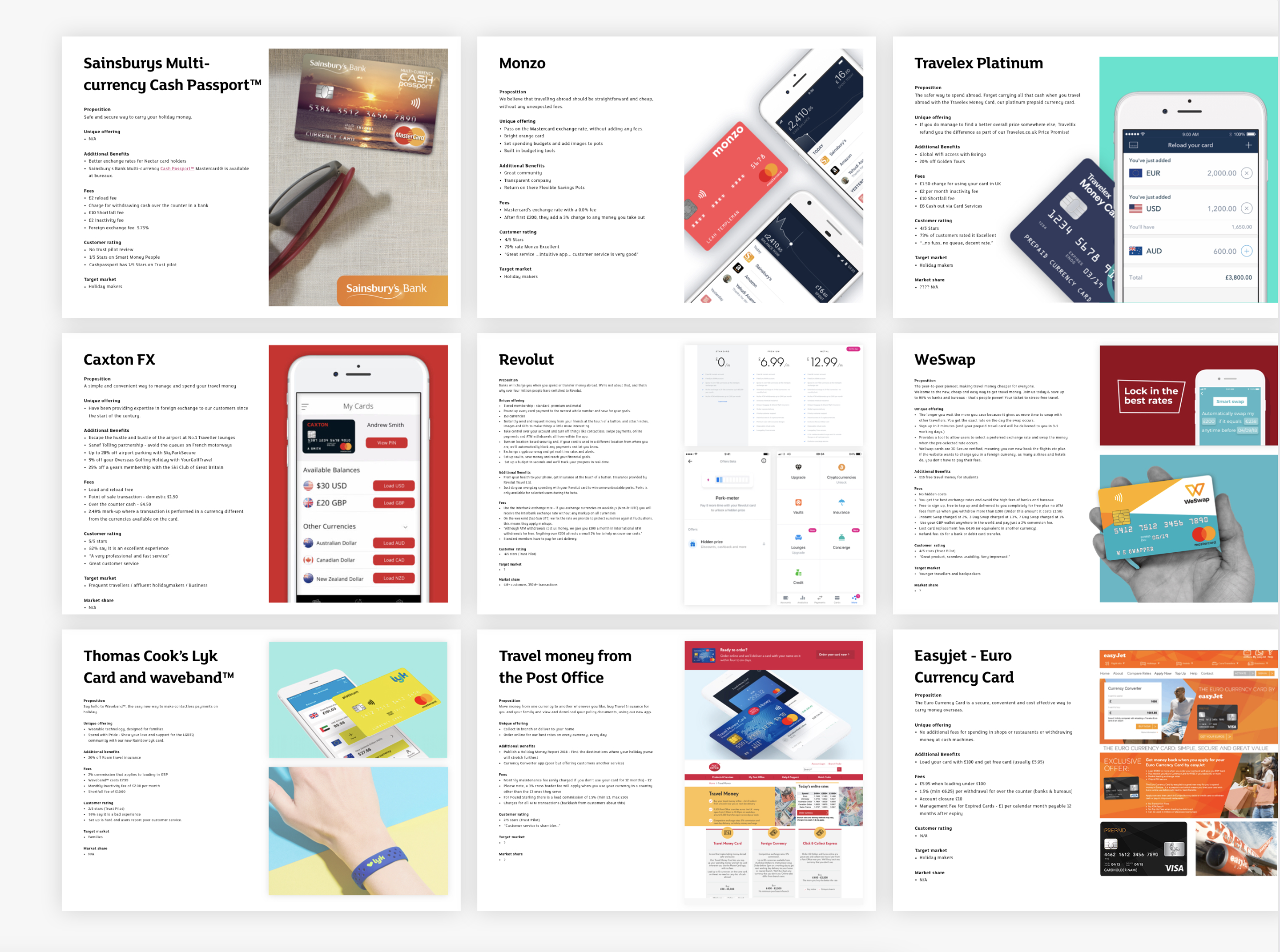
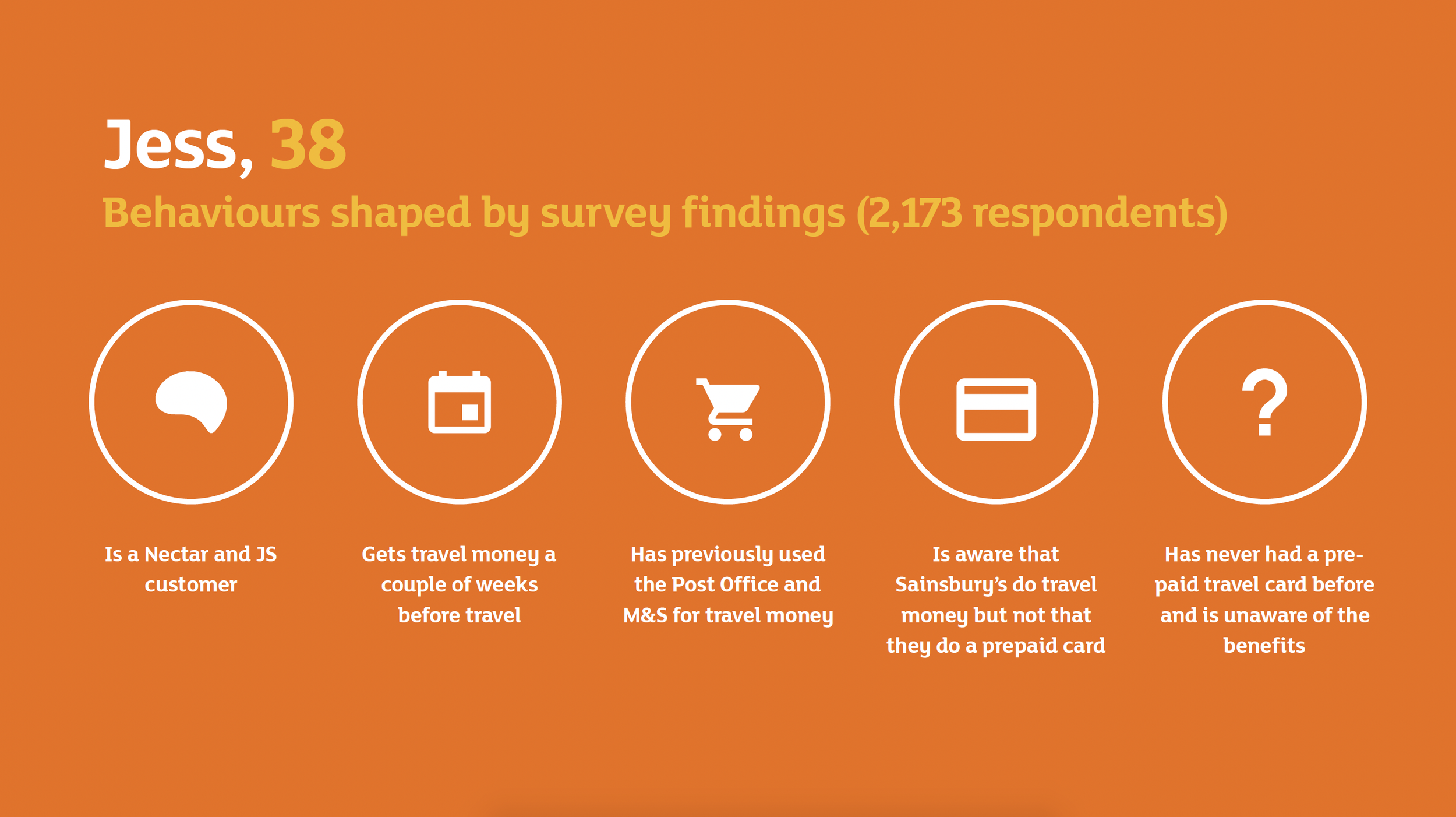
The first week we set aside for understanding the business structure and the people within Sainsbury’s Bank that could help us develop our ideas and contribute. We also took a deep dive into the travel money industry including reading industry reports and carrying out competitor research. Once we knew some of the key questions we had we developed a questionair and carried out a survey to gain a more focused understanding of Sainsbury’s customer base.
Week 2 & 3
Now that we had a better understanding of the competitors and the challenge we broke the last four weeks into two week sprints.
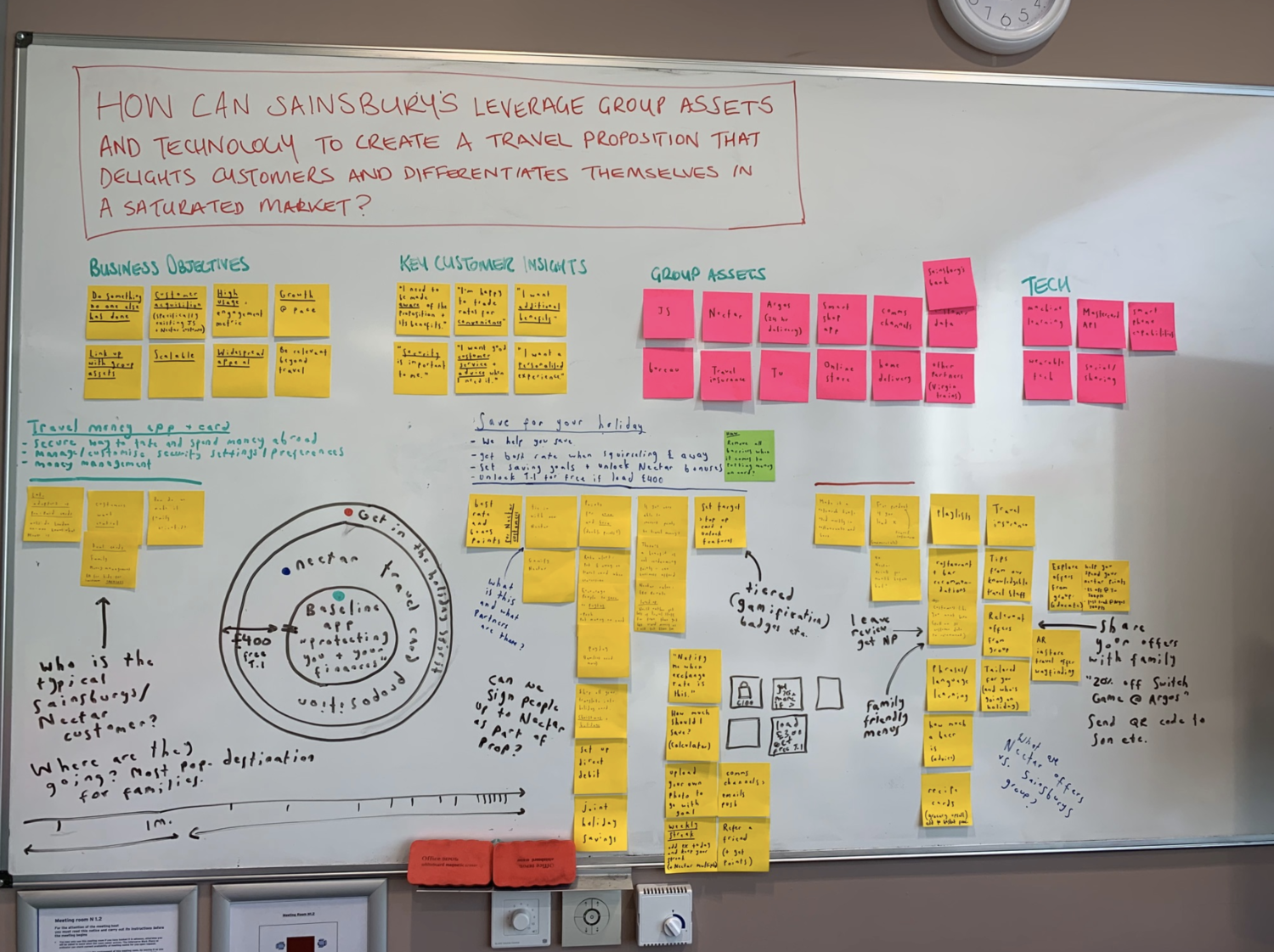
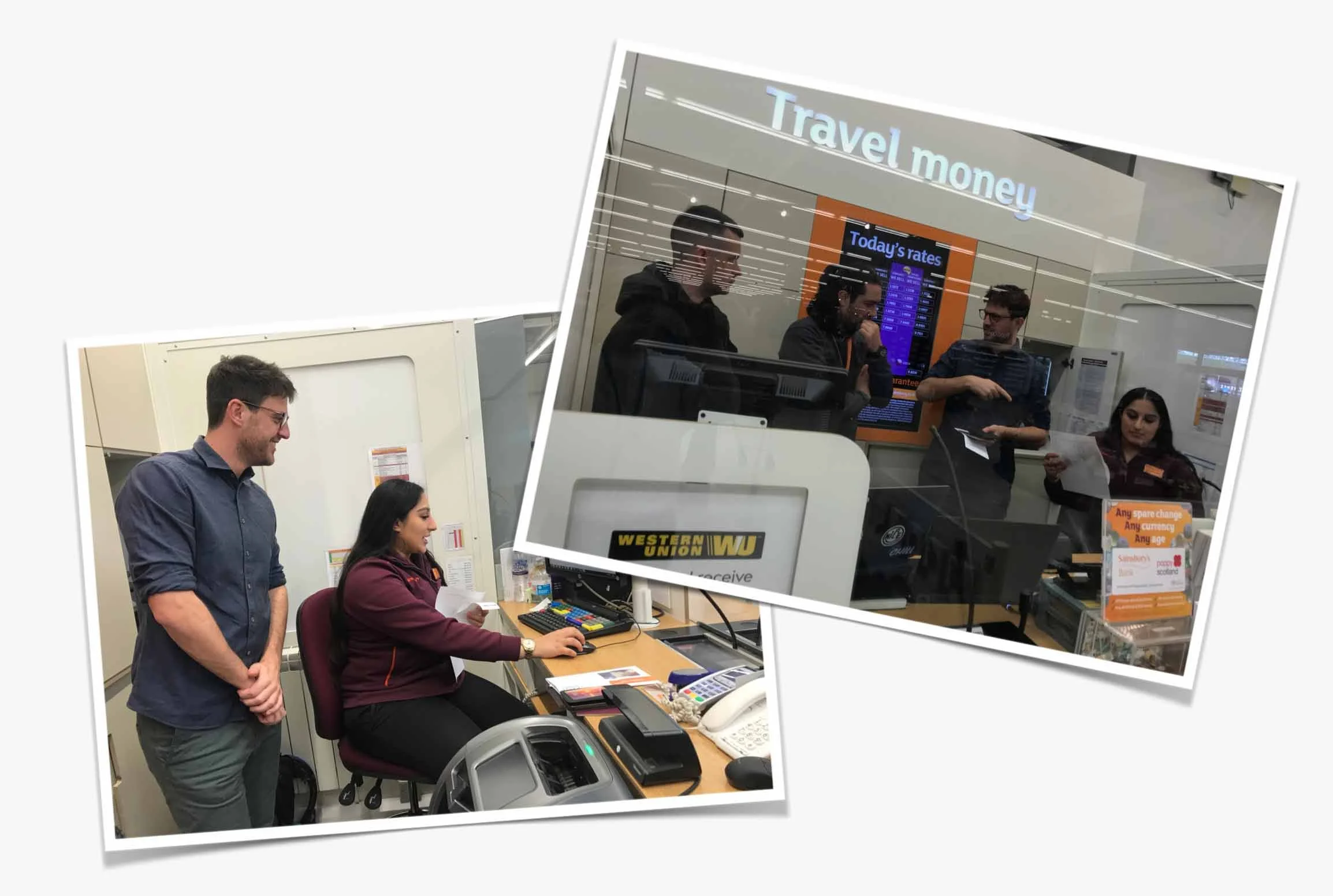
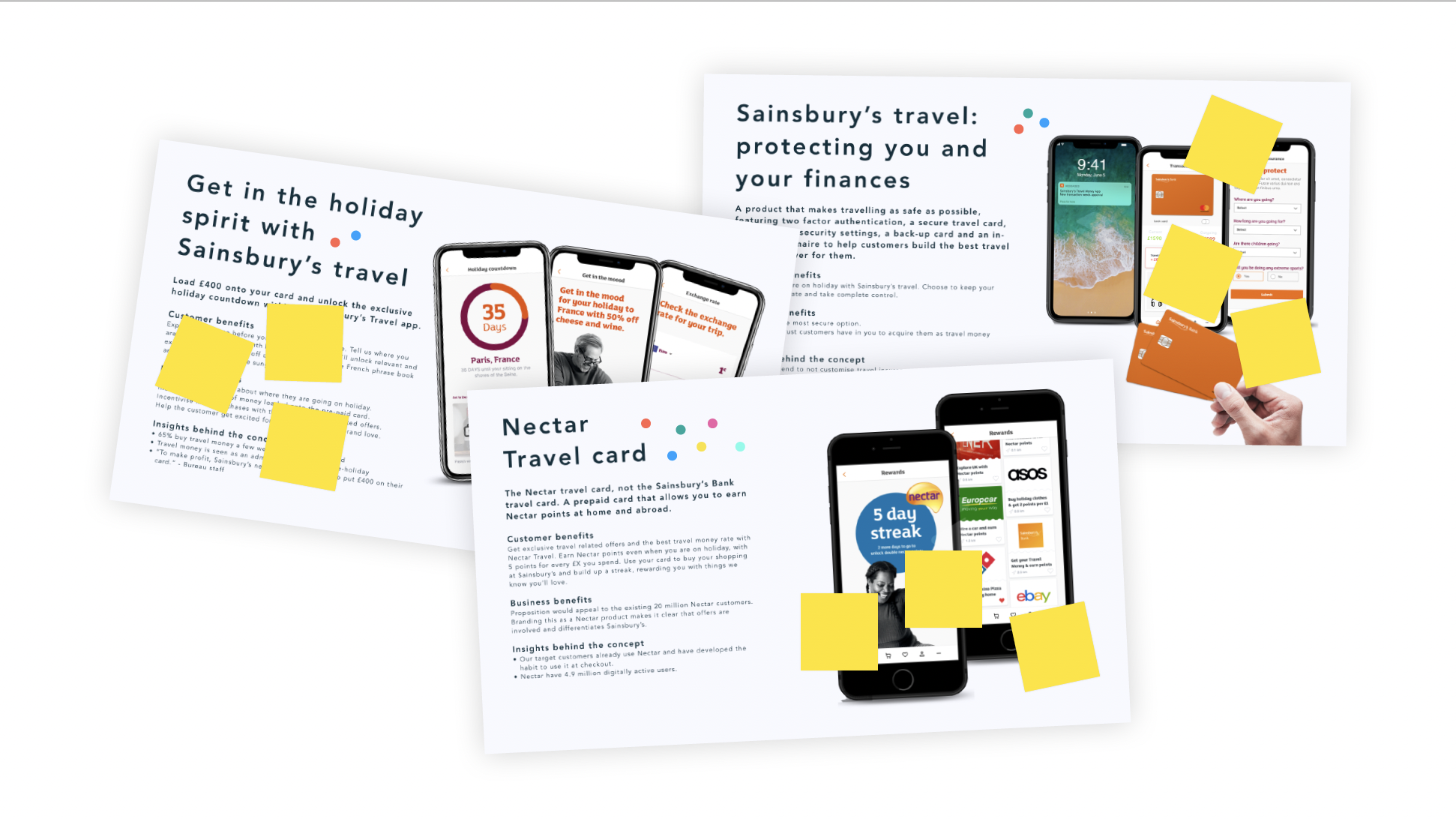
Week two and three we decided to use Design Sprint Methodology to drive innovation. Concept creation and gather business feedback. We carried out a workshop that incorporated Crazy 8’s, Dot Voting, and presentations. Key stakeholders were involved in these workshops which was key to getting business buy in. We also visited a bureau de change on site at Sainsbury’s to ask the staff questions as well as carry out customer questionnaire’s.
Midpoint
After our first three weeks we collated our findings and presented them back to the business. This allowed us to gather feedback on some of our products and the propositions. We wanted to narrow the ideas down to one or two concepts that we could then develop into a a full product with product visuals, UI and a working prototype.
Week 4 & 5
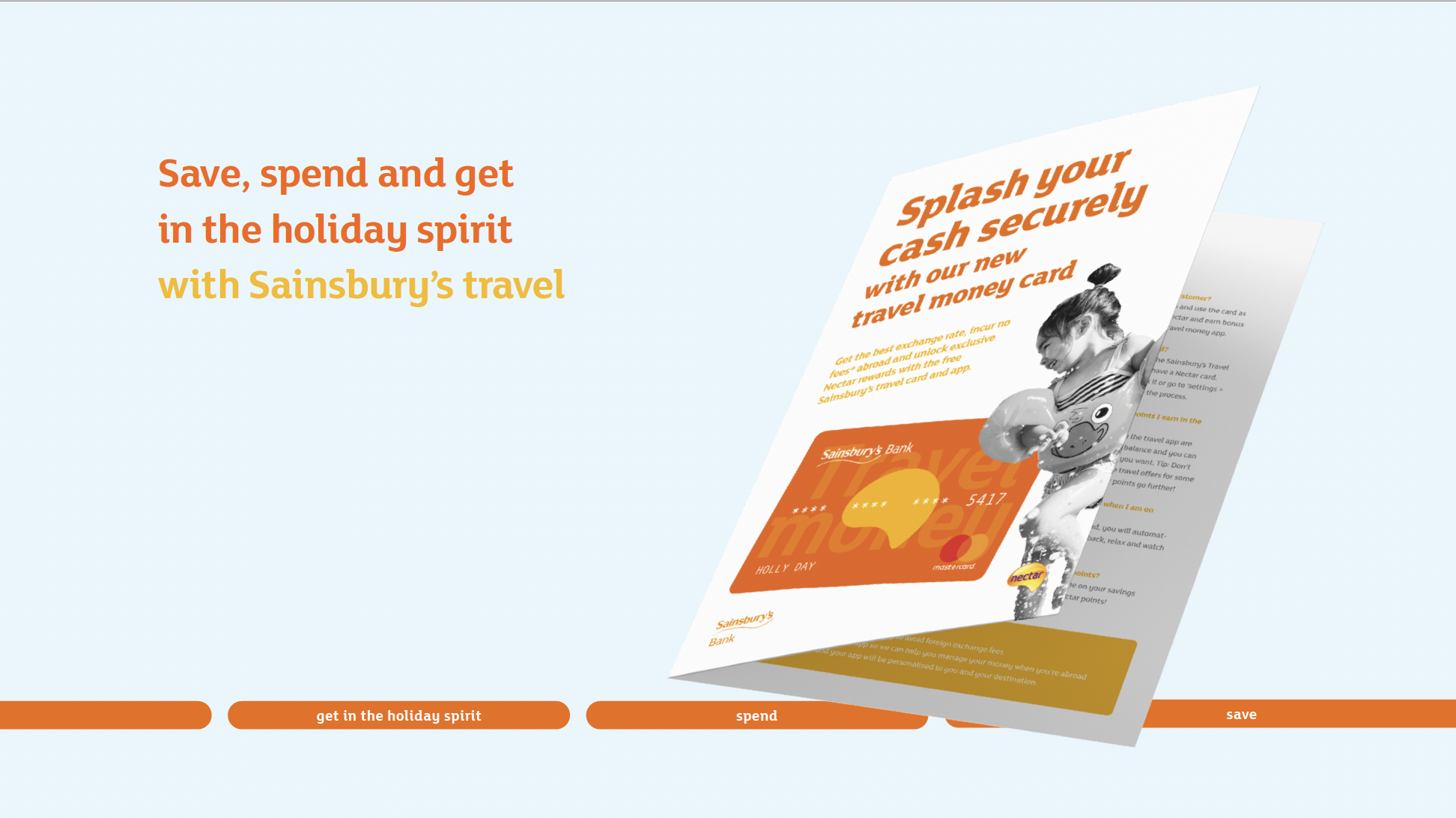
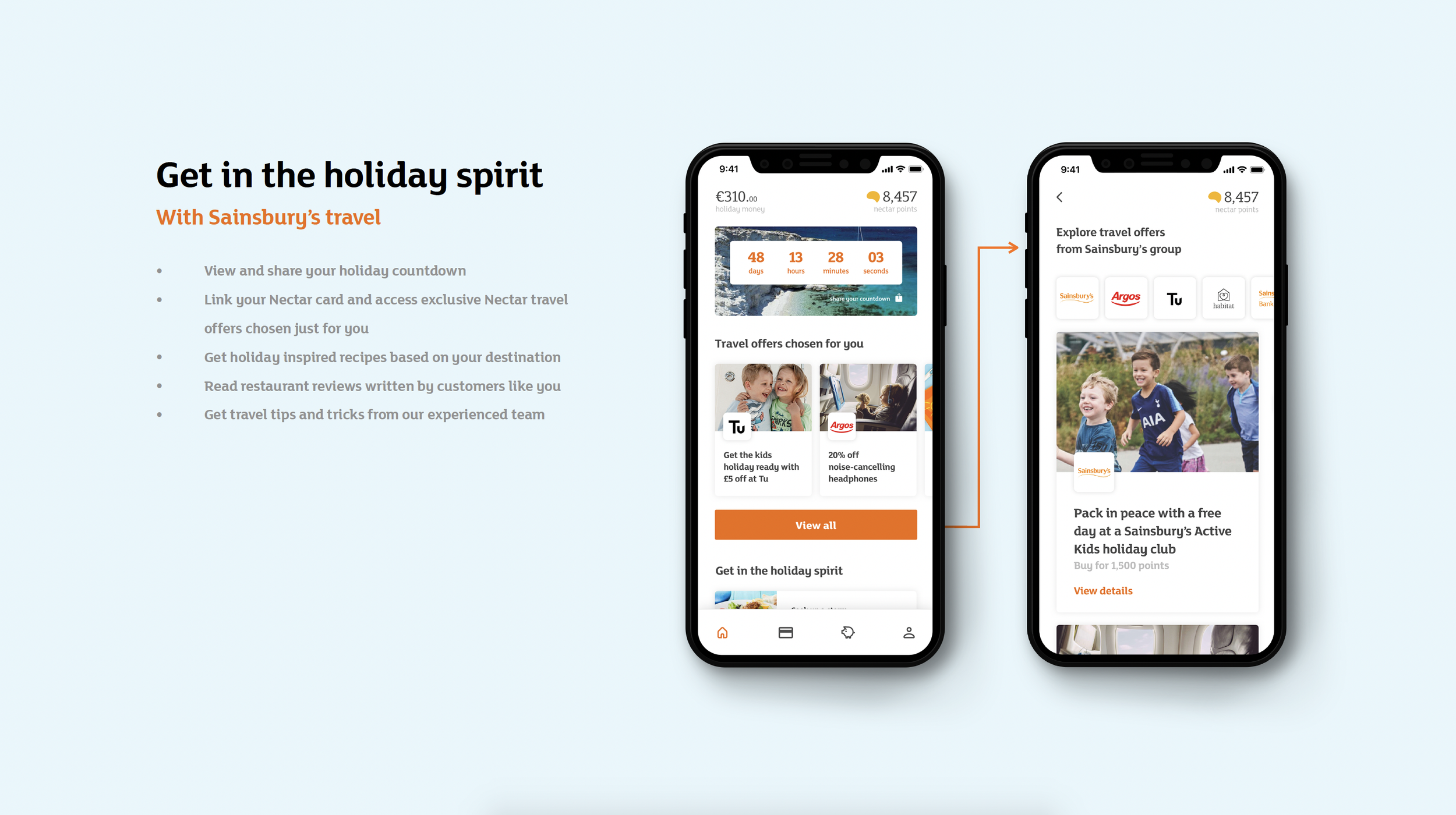
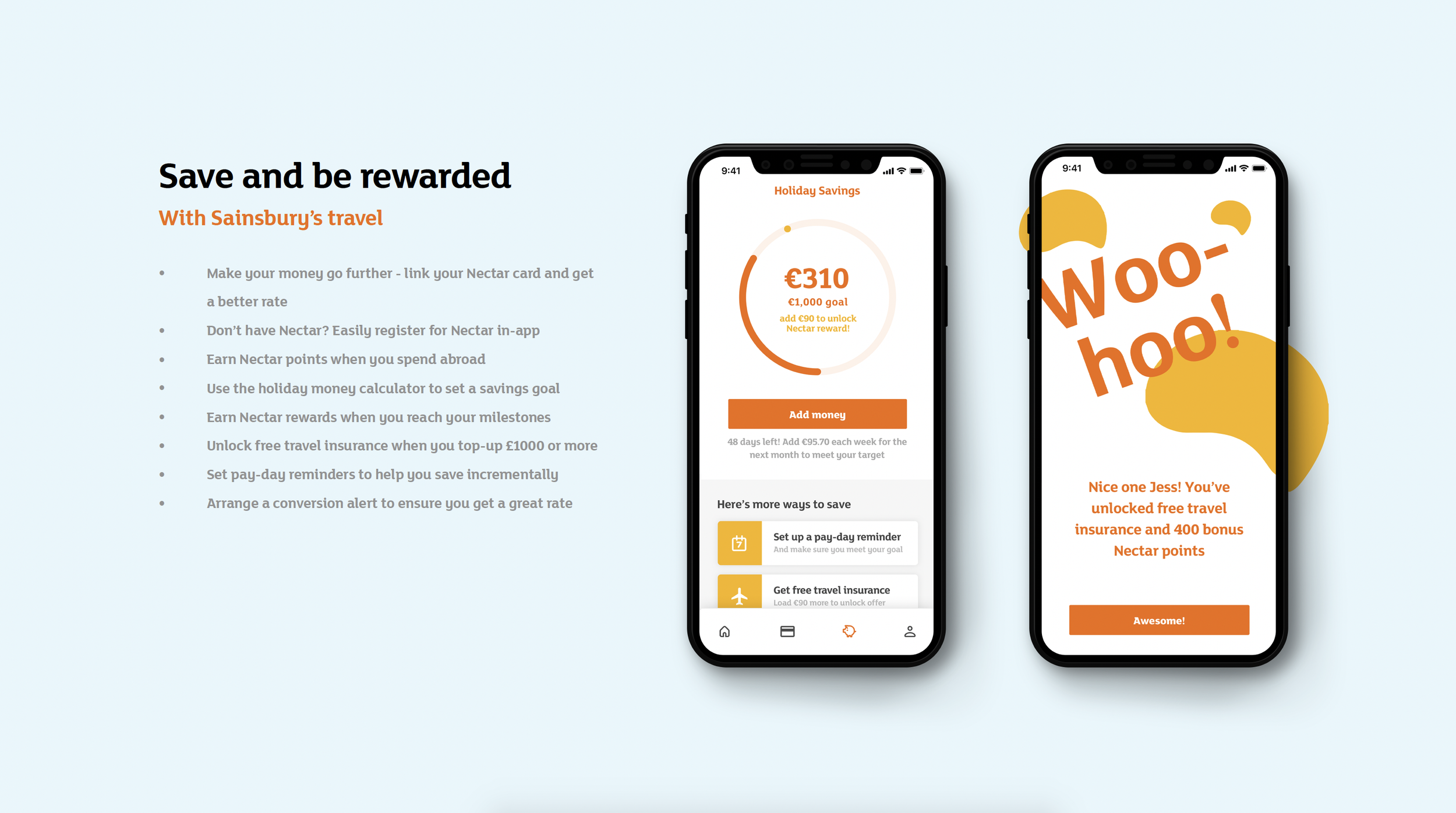
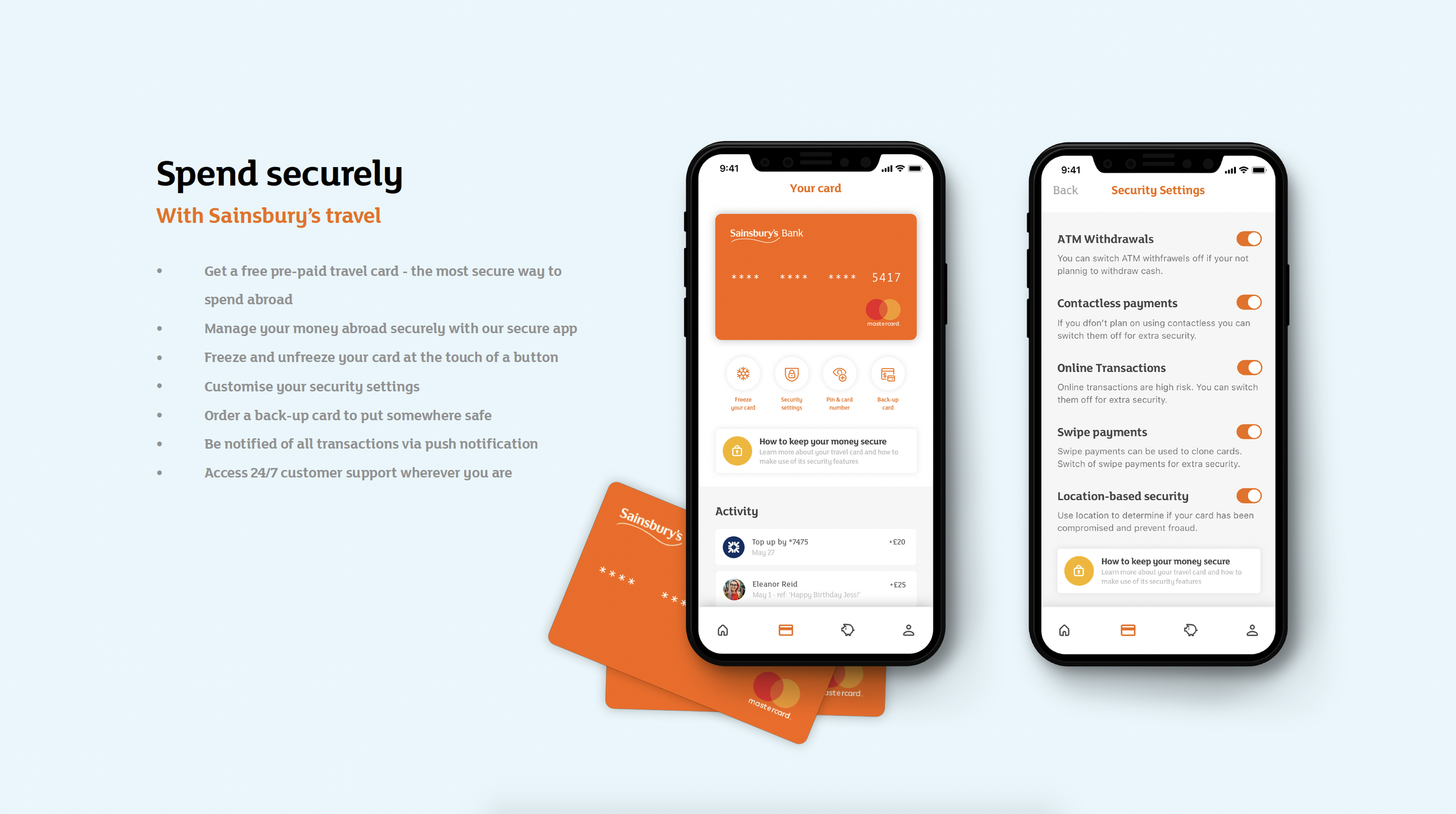
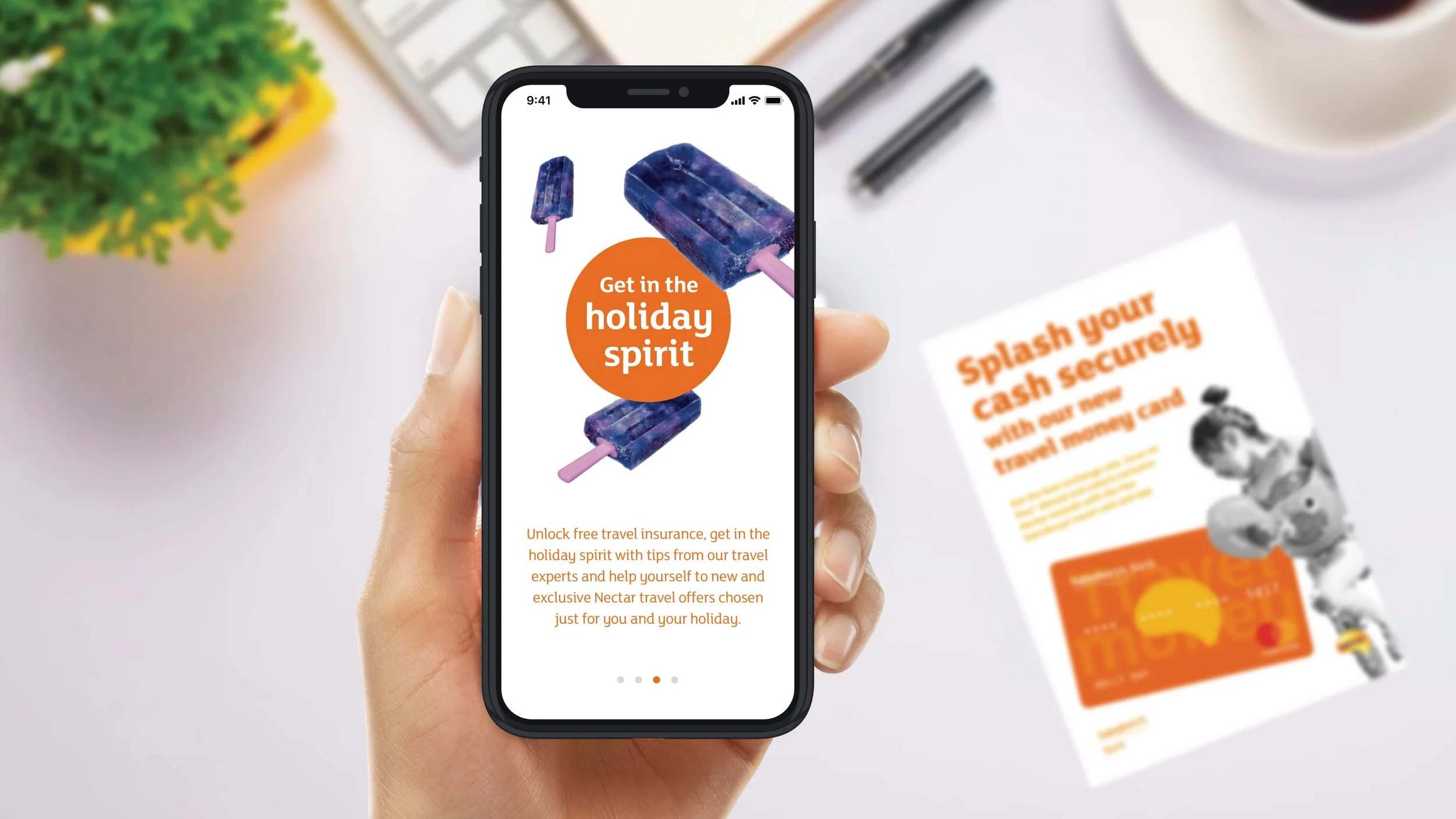
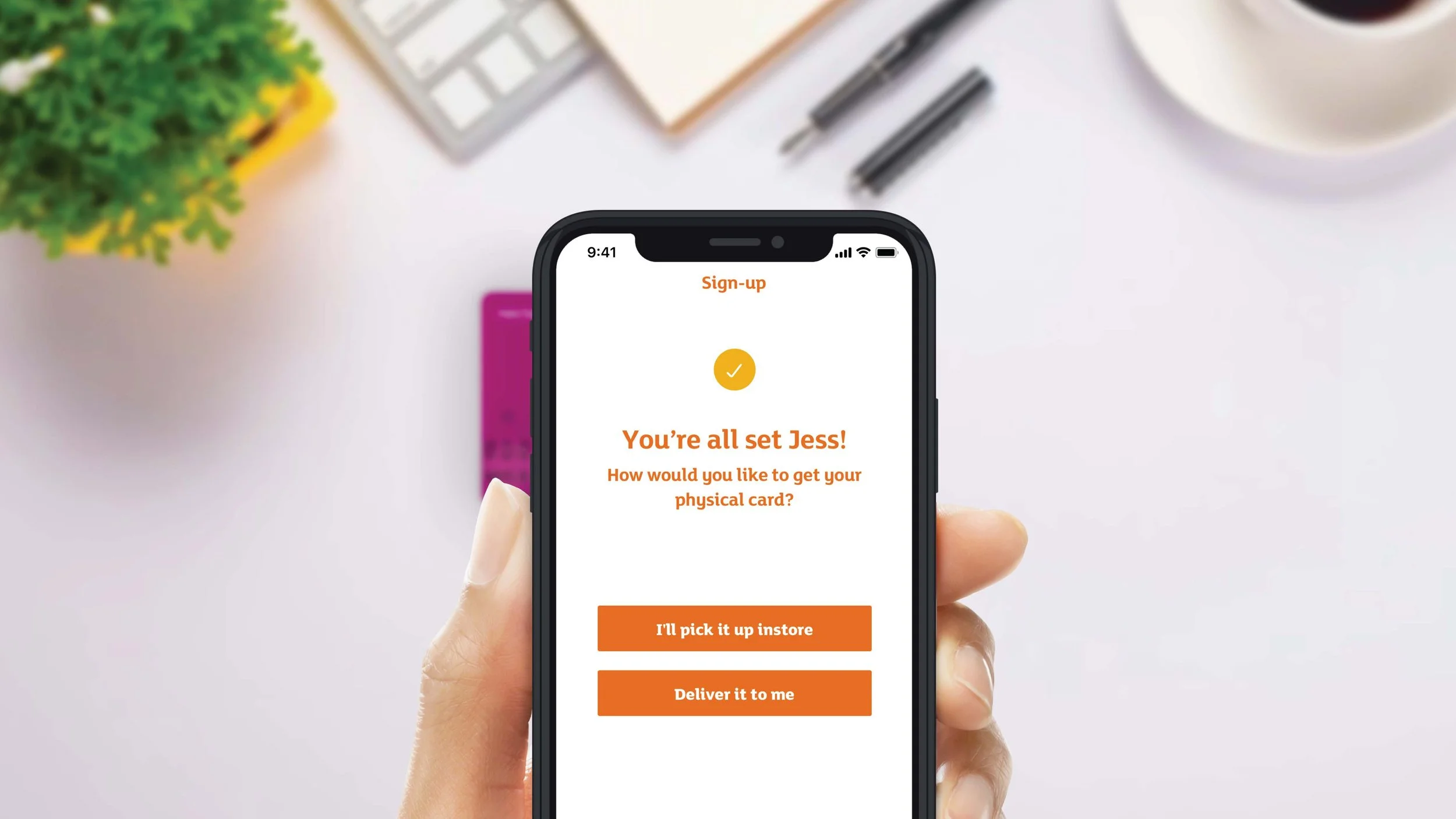
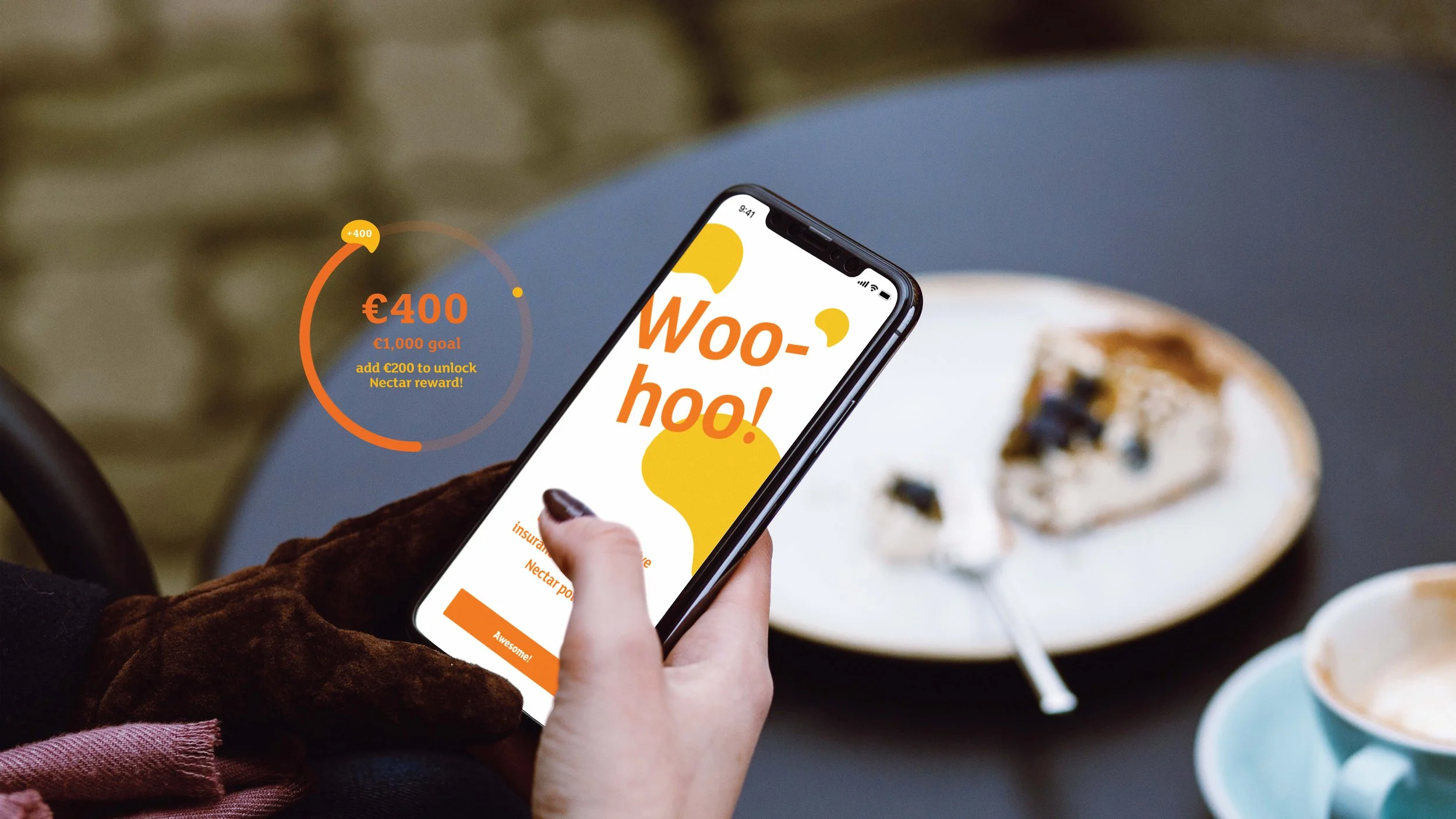
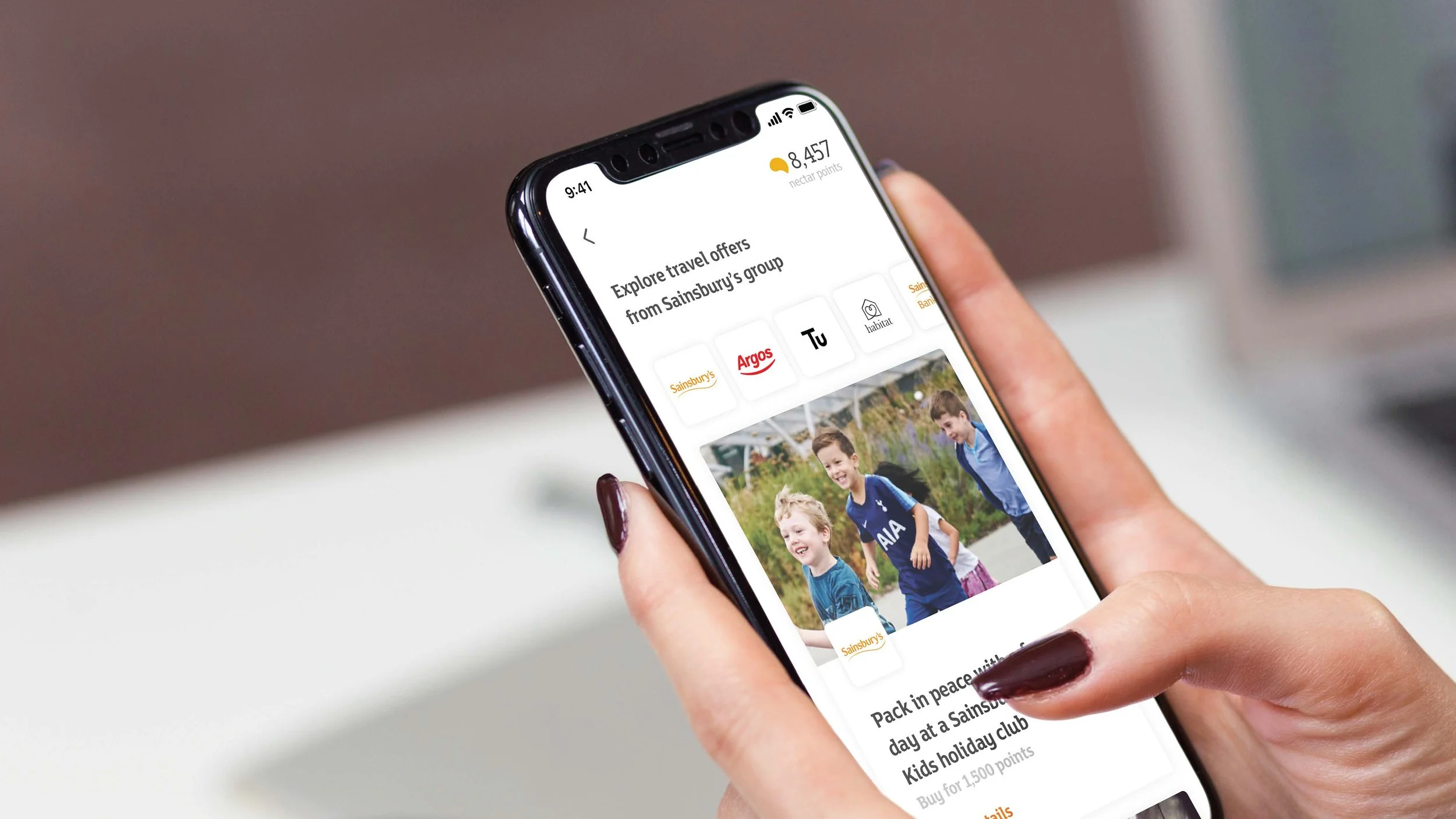
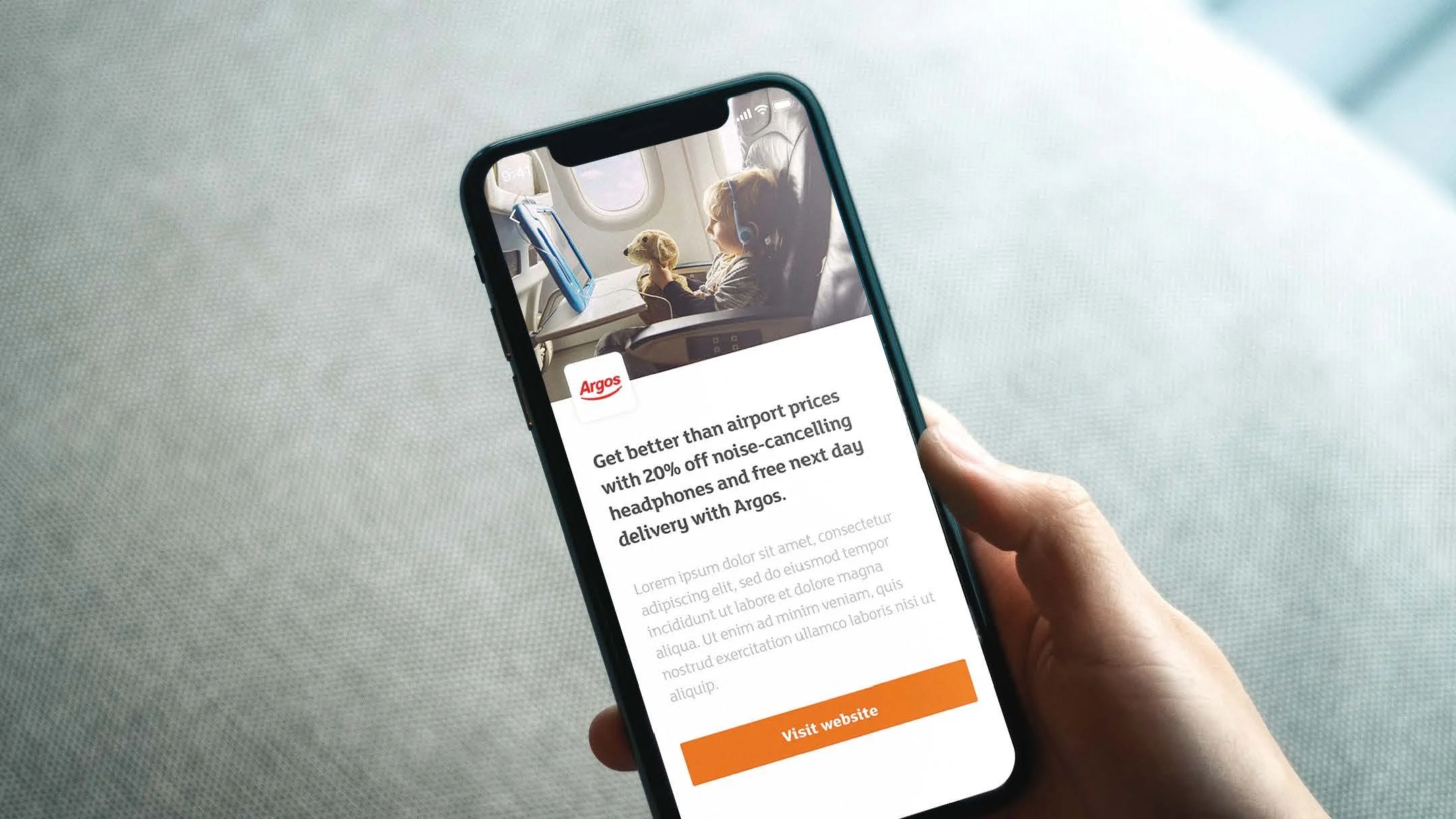
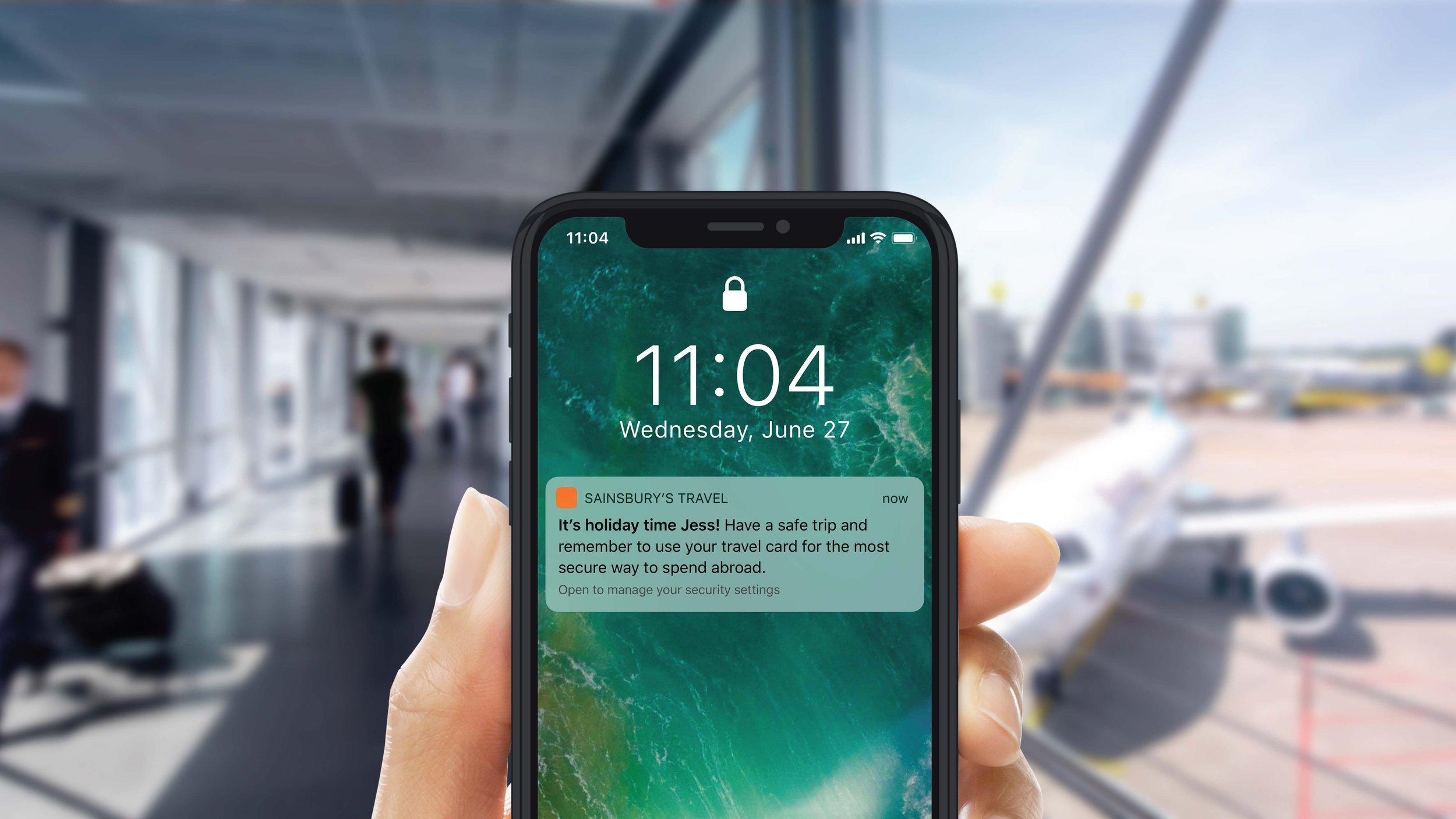
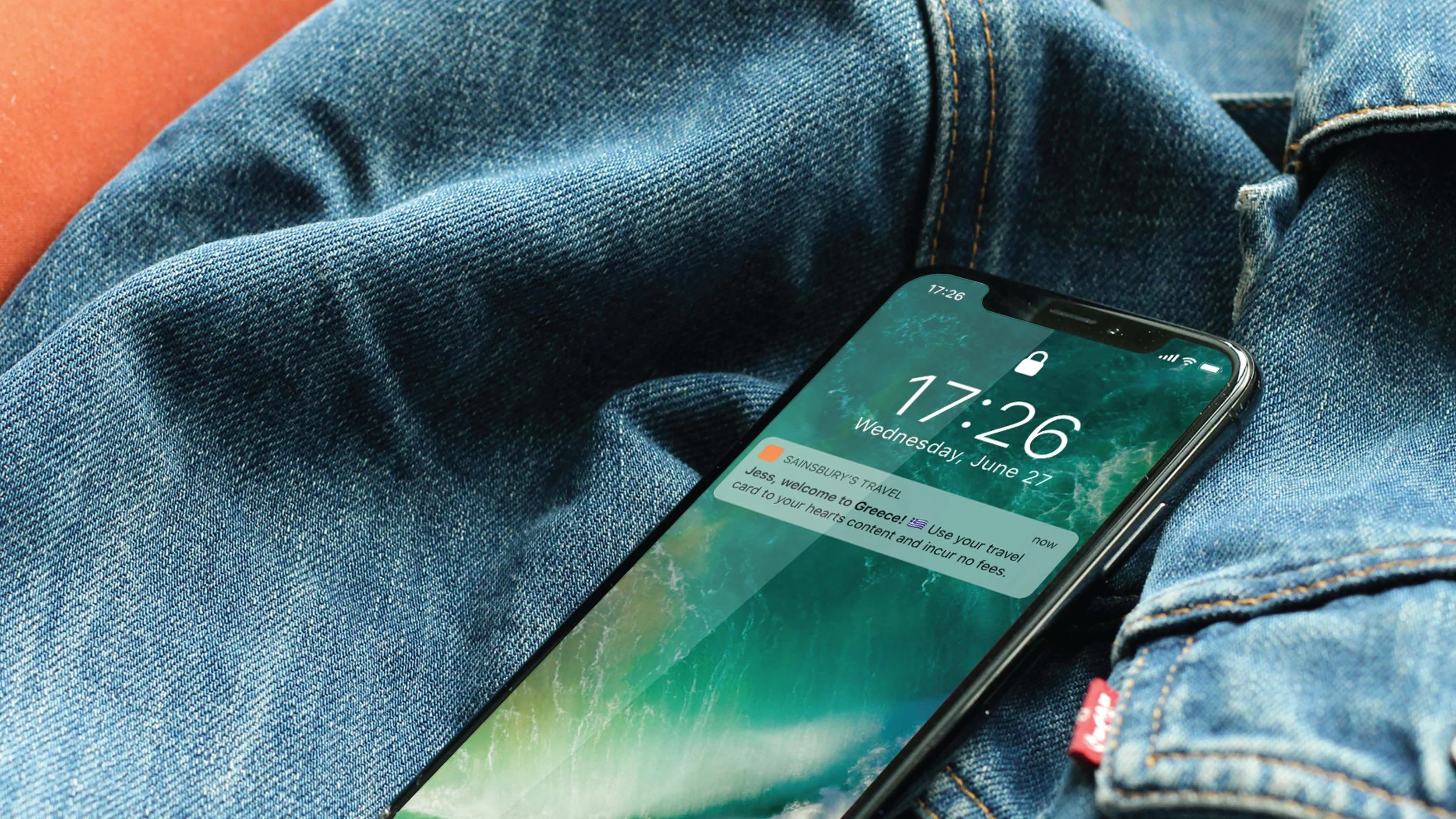
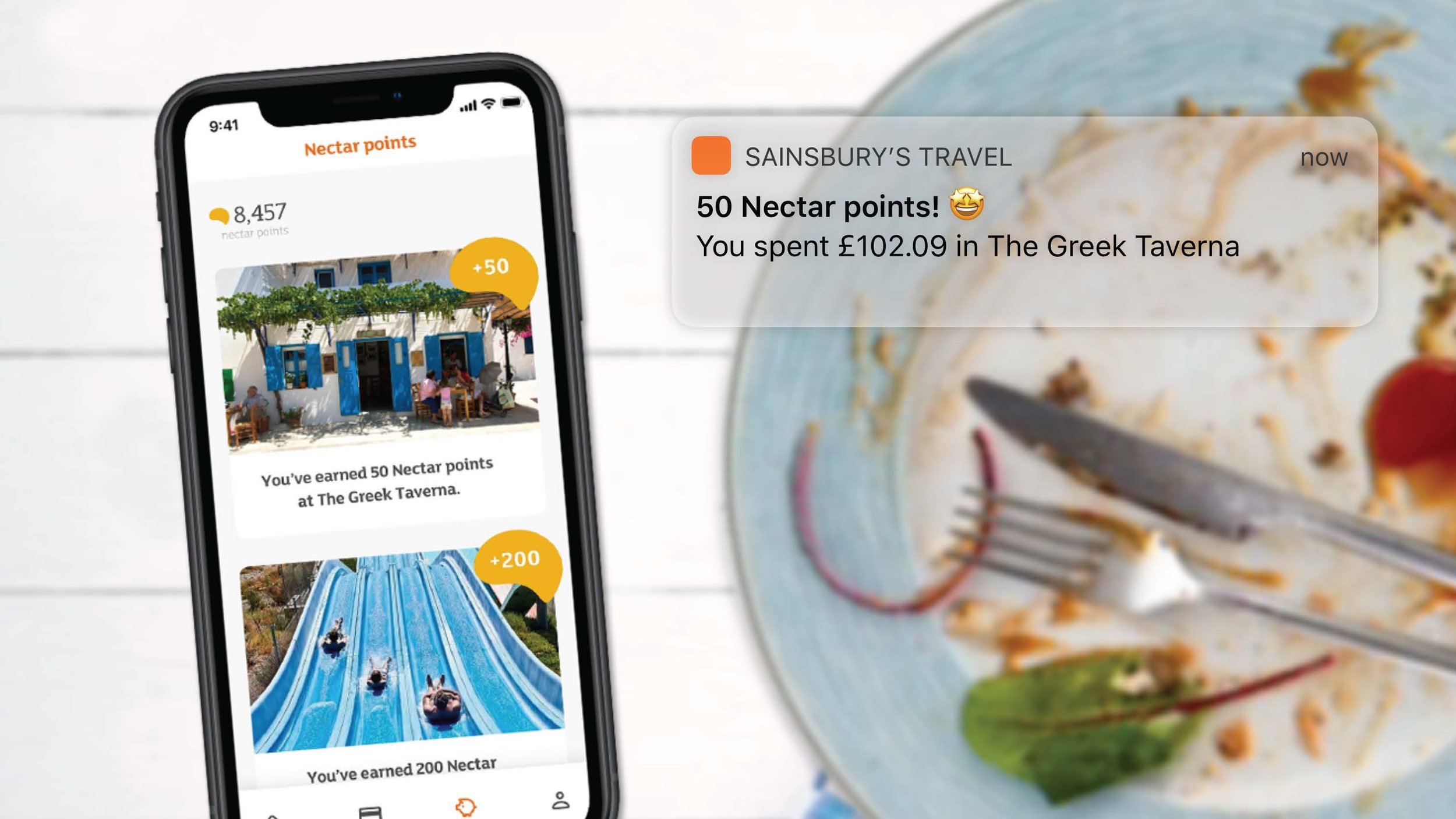
This was when we put the finishing touches on our proposition and built out the UI which allowed us to create a prototype. We tested the prototype with Sainsbury’s Bank staff and made changes where needed.
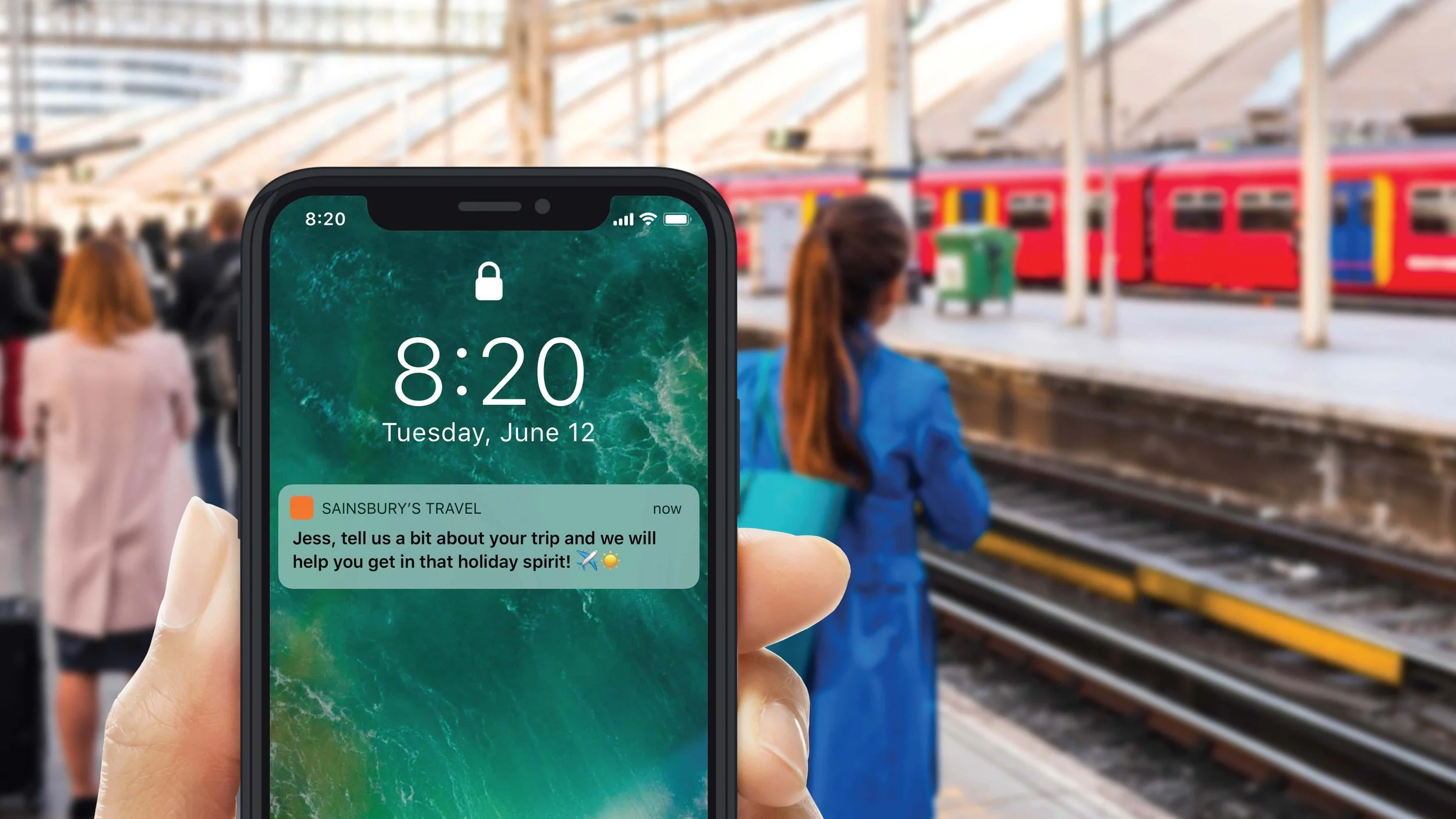
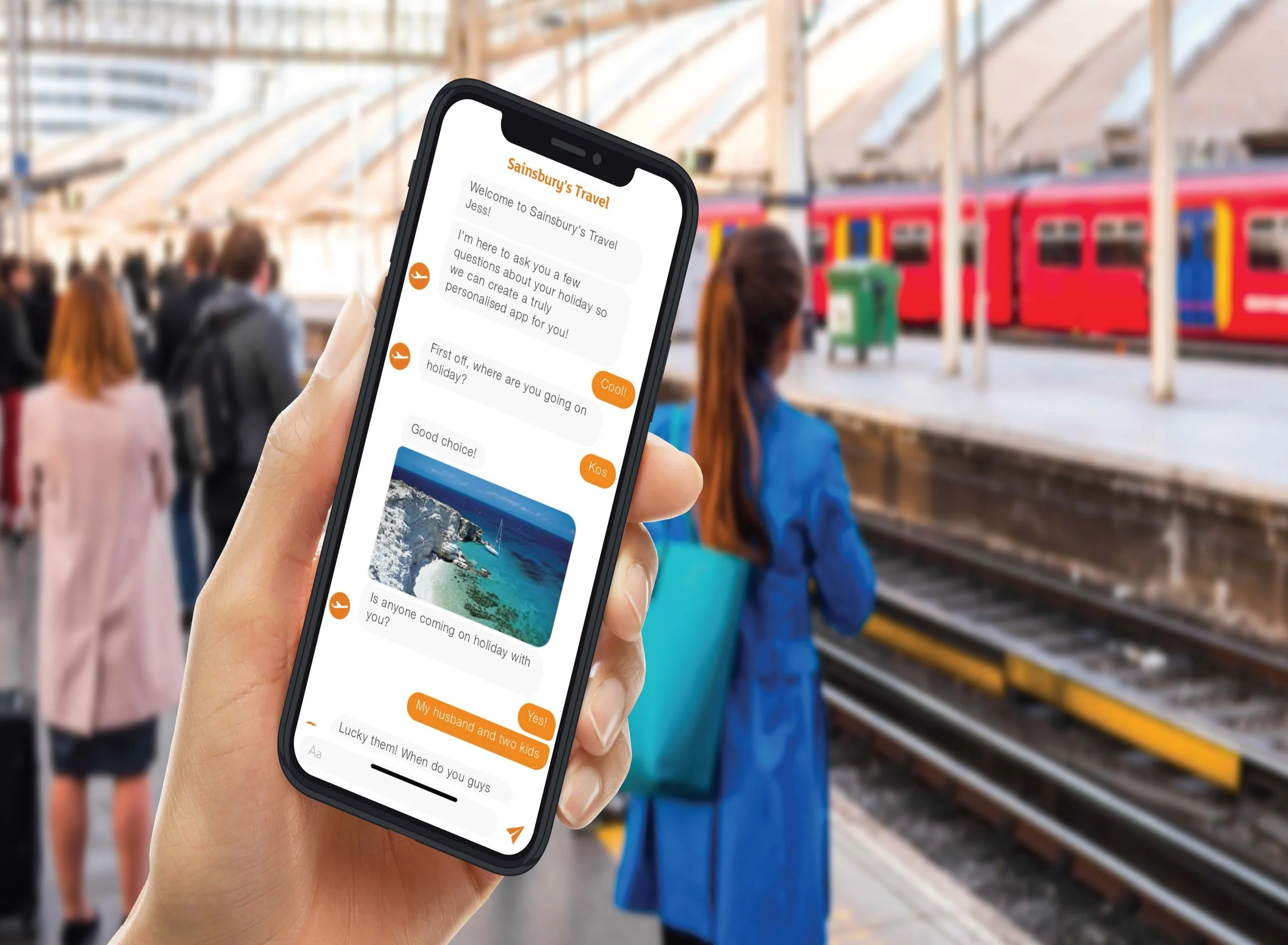
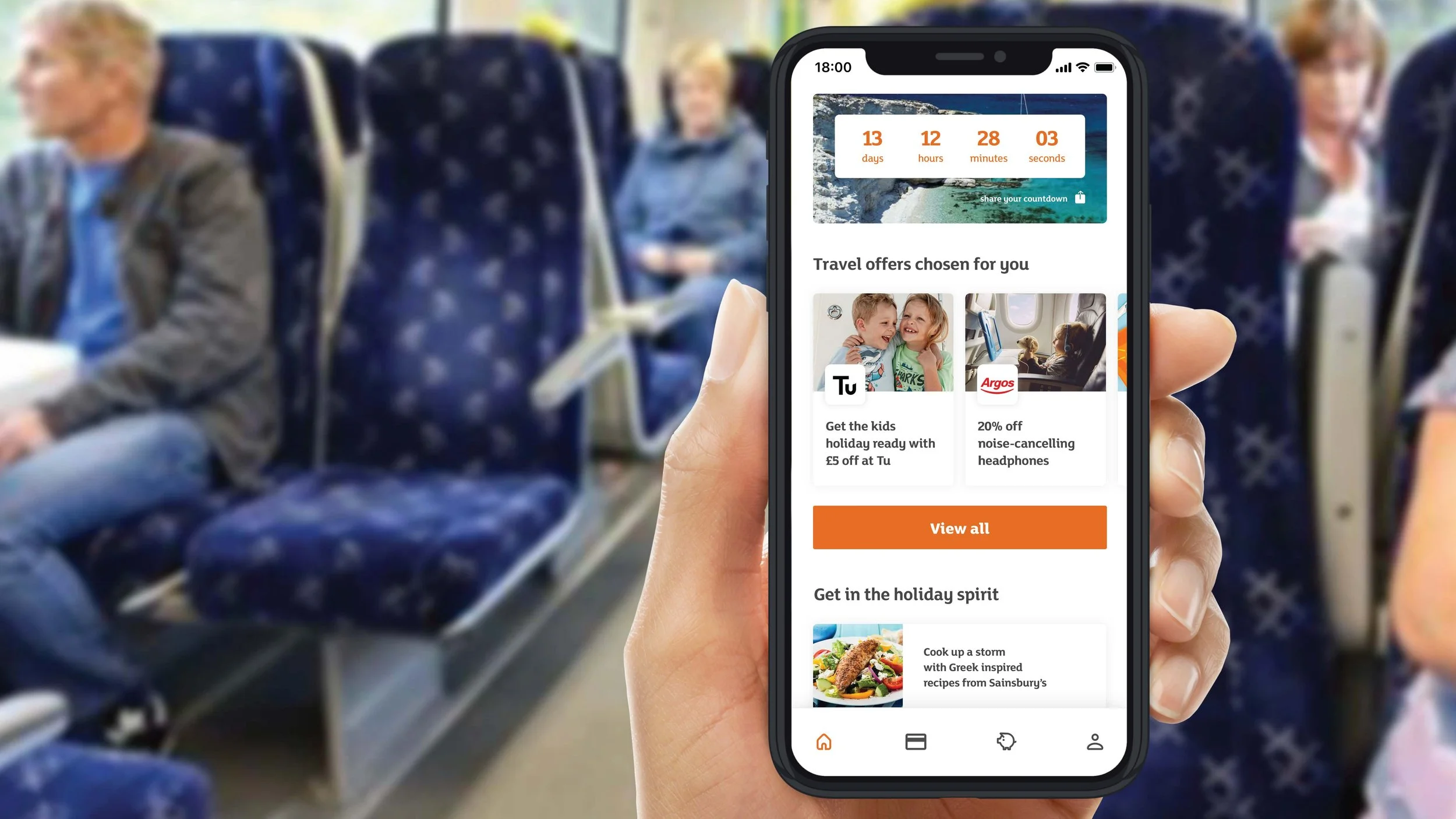
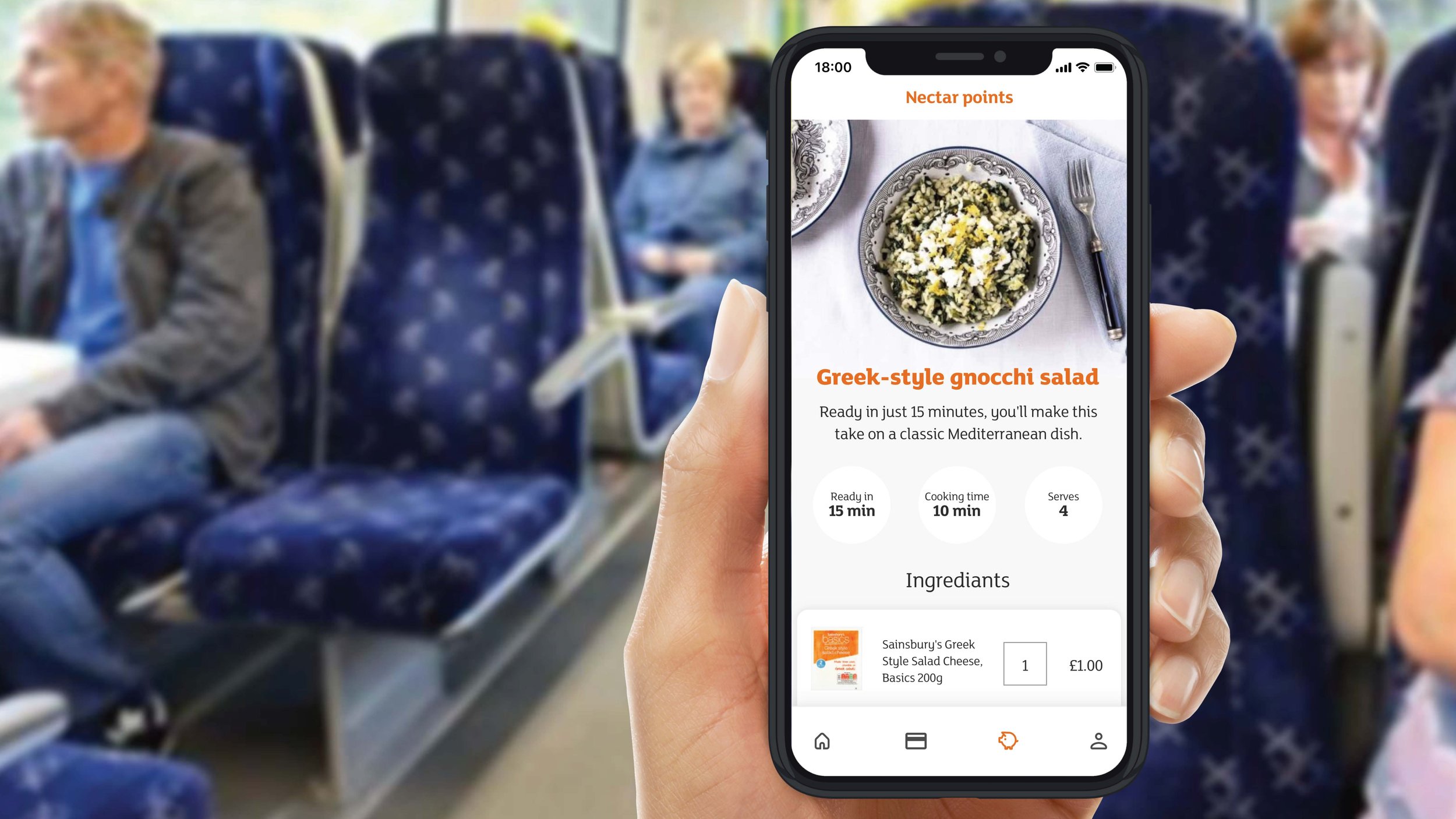
Outcome and Results
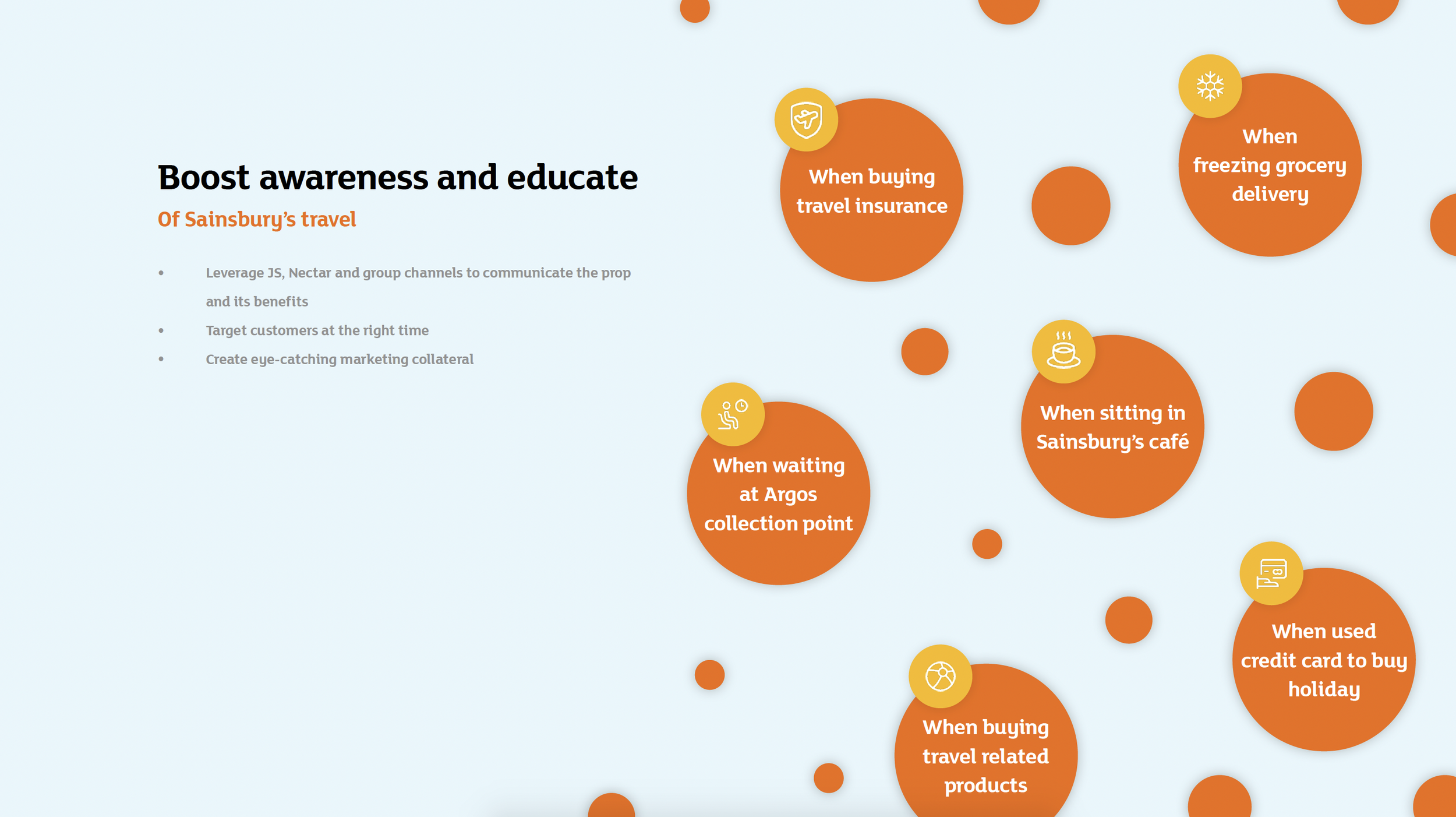
The proposition and prototype was presented to the Travel Money team and the Head of Travel Money within the bank. The feedback was very positive and the final report went on to form the main focus of their budget proposal that year. They were able to make the case for pushing budget improvements in order to bring their travel money proposition in line with their competitors and leverage Sainsbury’s assets such as Nectar.